Prince Group Cambodia Scrutiny: Buyer Due Diligence 2026
Prince Group Cambodia faces sanctions and continuity scrutiny in 2026. How property buyers screen developer exposure, protect deposits, and verify solvency.
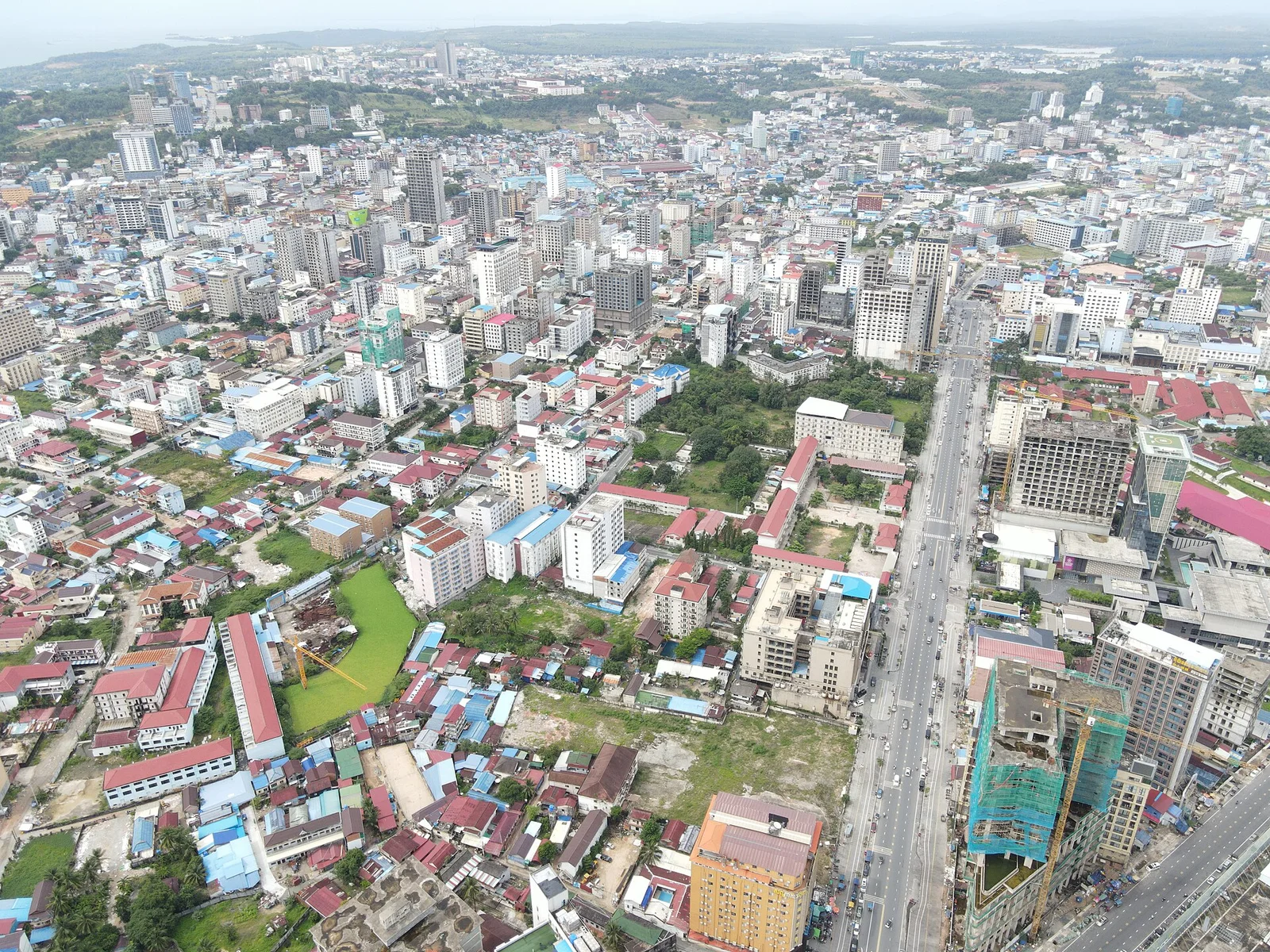

Quick answer: Prince Group Cambodia drew intense international scrutiny in 2025 and 2026 after the United States and United Kingdom announced sanctions against group entities and its founder, alongside unsealed US charges, according to those governments and major news reporting. For property buyers, the practical issue is not the headlines but exposure: whether your developer, deposit, or escrow is tied to a conglomerate facing asset freezes and continuity questions. Screen ownership, verify title and funding, and protect your deposit before you transfer.
Invest Cambodia Editorial helps foreign buyers read developer risk before they transfer money. This guide is a trust and red-flag editorial and does not list projects. It explains what the scrutiny around Prince Group means for ordinary property buyers, how to test whether a development is exposed to a distressed parent company, and which contract and escrow protections keep a deposit safe when a large conglomerate faces sanctions and solvency questions.
This page is a companion to two core warnings: Developer Due Diligence Red Flags Cambodia for the full screening framework, and Npl Unfinished Projects Cambodia Warning for how a 8.9% banking NPL ratio turns weak developers into stalled towers. Read both alongside this one before any commitment.
Why is Prince Group Cambodia under scrutiny in 2026?
A conglomerate facing coordinated sanctions and an indictment of its leadership is, from a buyer’s standpoint, a counterparty under stress. The legal process will run its course, and individuals are entitled to the presumption of innocence; this guide takes no position on guilt. What matters for someone about to wire a deposit is narrower and more practical. Sanctions and asset freezes can cut a group off from international banking, restrict its access to financing, and disrupt the day-to-day operation of any business inside it. When a property developer sits within, or is funded by, a group in that position, the chance that it can fund a build to completion and honour after-sales obligations falls. The headlines are a signal to switch from marketing mode to due-diligence mode, not a reason to assume every Cambodian project is unsafe.
| 2026 metric | Indicative value | Buyer use |
|---|---|---|
| Phnom Penh avg price | $1,800 per sqm | Baseline vs district premium |
| Foreign quota cap | 70% per building | Above ground floor only |
| Banking NPL ratio | 8.9% | Developer completion risk |
| Stamp duty window | Through 31 December 2026 | Registration timing |
What does developer scrutiny mean for a property buyer’s deposit?
The core idea is concentration risk. Property buyers in Cambodia often look at price, view, and payment plan, and rarely at the ownership tree above the developer. Yet that ownership tree decides who controls your money during the build. A deposit paid to a developer that draws financing from a sanctioned parent can be frozen, delayed, or consumed by the parent’s wider problems. You do not need to memorise corporate structures to defend yourself. Insist on transparency and protection: know who you are paying, where the money sits, and what your contract entitles you to if delivery slips. The mechanics of how stalled funding traps deposits are explained in Npl Unfinished Projects Cambodia Warning, and the document workflow sits in Due Diligence Process Cambodia Step By Step.
How do sanctions and asset freezes affect a linked development?
| Stress event | Effect on a linked developer | Buyer completion risk |
|---|---|---|
| Parent sanctioned | Banking and financing access cut | High |
| Assets frozen | Working capital stranded | High |
| Leadership indicted | Decision-making and continuity disrupted | Moderate to high |
| Reputational shock | Sales slow, presale funding dries up | Moderate to high |
| Counterparties withdraw | Contractors and lenders step back | High |
The table shows why exposure to a distressed parent compounds the ordinary risks of off-plan buying. A normal developer can ride out a soft sales patch with equity or a secured bank line. A developer whose parent is sanctioned may lose both at once: the bank relationships and the internal cash. In a market already carrying a 8.9% banking NPL ratio and 76,000 to 80,000 condo units against only 3% to 4% annual absorption, a financing shock at the top of the ownership tree is the kind of event that turns a half-built tower into a stalled one. This is the scenario the funding-model screening in Developer Due Diligence Red Flags Cambodia is built to catch.
How do you check whether a project is exposed to a troubled conglomerate?
The investigation is methodical and undramatic. Start by asking the sales team to name, on paper, the developing company, its shareholders, and the parent group. Search those exact names against the US OFAC sanctions list and the UK consolidated list, which are public. Ask a Cambodian property lawyer to pull the company registration and confirm that the entity selling the unit is the entity that holds, or has the right to transfer, the land title. Verify the title type and standing, because hard title and soft title carry different protection, a distinction covered in Soft Title VS Hard Title Cambodia. Where the project markets itself through a brand rather than a clearly named legal owner, treat the missing name as the most important fact on the page. A developer confident in its standing will answer ownership questions directly; one that deflects is telling you something.
What are the red flags that a developer’s parent group is in distress?
| Red flag | What it suggests | Buyer action |
|---|---|---|
| Undisclosed ownership | Hiding parent or shareholders | Do not deposit until named |
| Name on sanctions list | Banking and continuity exposure | Stop, take legal advice |
| Aggressive cash discounting | Liquidity squeeze, not a bargain | Verify funding before buying |
| Stalled construction | Funding chain already broken | Inspect active site, not showroom |
| Unresponsive after-sales | Operations under strain | Treat existing obligations as at risk |
| Pressure to pay fast | Cash needed now | Slow down, verify everything |
Each flag is survivable alone and damning in combination. Aggressive discounting paired with stalled construction is the classic profile of a developer raising cash to survive rather than passing on genuine savings. Undisclosed ownership paired with a name that surfaces near a sanctioned group is a reason to walk away entirely. The point of the checklist is to convert a vague sense of unease into specific, documented findings that you and your lawyer can act on. The deeper version of this framework, including licensing and construction-progress evidence, is in Developer Due Diligence Red Flags Cambodia.
How do you screen a developer’s funding model and solvency?
| Screening question | Strong answer | Weak answer |
|---|---|---|
| How is construction funded | Equity or secured bank facility | Entirely future presales |
| Who is the parent company | Named, verifiable, unsanctioned | Vague or undisclosed |
| Completed occupied buildings | Several, addresses given | Mostly renders |
| Past handover timeliness | On or near original dates | Repeated long delays |
| Deposit protection | Genuine third-party escrow | Developer-controlled account |
| Response to questions | Documents shared openly | Deflection or pressure |
The pattern that should worry you is a developer whose answers are all about demand and never about funding or ownership. Demand can evaporate overnight when a parent group is sanctioned; secured funding and clean ownership cannot. Request the developer’s list of completed projects and visit at least one finished building to judge maintenance and delivered quality. Confirm that deposits sit in an escrow account named to an independent agent, and that none of your money goes into the developer’s own bank account. A trust or holding structure can add a further layer of separation between your money and a distressed parent, an option explained in Trust Structure Property Cambodia.
Unsure whether a scheme is connected to a sanctioned entity? We will check the corporate chain before you pay anything.
Check the ownership chainAdvantages and disadvantages of buying near a high-scrutiny developer
Buying in a market where a major developer faces scrutiny can mean softer pricing and motivated sellers, but it concentrates completion, continuity, and recovery risk precisely where deposits are hardest to protect. The trade-off only works for buyers who verify ownership and secure genuine escrow.
| Advantages | Disadvantages |
|---|---|
| Distressed-market pricing on unrelated stock | Exposure risk if developer is linked to a sanctioned parent |
| Motivated, clean developers stand out | Frozen assets can stall a linked build |
| Stronger negotiating position on finished units | Deposits exposed where escrow is not genuine |
| Clearer separation rewards careful buyers | 76,000 to 80,000 unit supply caps resale demand |
| Title and escrow checks filter out weak projects | 3% to 4% absorption thins any exit market |
| Finished titled resale avoids completion risk | After-sales support may lapse at a distressed group |
The advantages are real, and they accrue to disciplined buyers. A softer market rewards the person who screens ownership, insists on escrow, and buys finished titled stock, and punishes the one who chases the cheapest off-plan ticket without asking who controls the money. In 2026 the decision is a developer-and-contract decision far more than a unit decision, which is why the resale-liquidity reality in Resale Liquidity Cambodia Condos belongs in the same conversation as price.
Buyer scenarios and decision framework
Your right move depends on exposure and time horizon. Buyers with no link to a distressed group and a clean contract can proceed normally; buyers eyeing a linked or opaque project should pause, verify, and usually choose finished titled stock instead. Short-hold buyers carry the most risk because exits are thin.
| Profile | Goal | Starting point |
|---|---|---|
| First-time foreign buyer | Understand exposure | Cambodia Property Investment Guide 2026 |
| Off-plan buyer | Protect the deposit | Npl Unfinished Projects Cambodia Warning |
| Developer-risk screener | Verify ownership and funding | Developer Due Diligence Red Flags Cambodia |
| Title-cautious buyer | Confirm hard title | Soft Title VS Hard Title Cambodia |
| Structure-minded buyer | Separate funds from parent | Trust Structure Property Cambodia |
| Liquidity-focused buyer | Keep an exit open | Resale Liquidity Cambodia Condos |
Scenario A: A buyer drawn to a discounted off-plan unit marketed by a brand that will not name its parent company pauses, requires written ownership disclosure, and walks away when the developer deflects. The discount is not worth the continuity risk.
Scenario B: A buyer wants finished stock from an unrelated developer with a clean hard title and a completed track record. They proceed after their lawyer confirms title and entity, treating the wider market scrutiny as leverage in the negotiation.
Scenario C: A buyer already holds an off-plan contract in a project that may be linked to a distressed group. They stop further payments pending legal review, document construction status, and act on the rights in their existing contract rather than signing a developer-proposed extension.
Risks, red flags, and what to verify
The core risks here are non-completion of a linked build, frozen or trapped deposits, lapsed after-sales support, and contracts that leave a buyer with no recourse. Run this checklist before any deposit and stop if two or more flags appear together.
- Undisclosed ownership: A developer that will not name its parent and shareholders in writing is hiding the one fact that determines deposit risk.
- Sanctions exposure: Any name connected to the project that appears on the US OFAC or UK sanctions lists is a stop-and-take-advice event.
- No genuine escrow: Deposits in a developer-controlled account fund current operations directly and are exposed if a parent group is frozen.
- Pure presale funding: A build paid for only from future sales is fragile under the 8.9% banking NPL ratio and a financing shock at the parent.
- Calendar-date payments: Instalments due on fixed dates rather than verified milestones shift continuity and delivery risk onto you.
Insider tip: Run the exact corporate names through the public OFAC and UK sanctions search tools yourself, then ask your lawyer to confirm the registered entity on the sale and purchase agreement matches the title holder. Brands and project names are marketing; the legal entity and its parent are what a freeze actually attaches to, and that is what decides whether your deposit is reachable.
What should you do if you already bought into a linked project?
A link to a distressed group is not automatically a total loss, but your position depends almost entirely on what you signed and where your money sits. The lawyer’s first task is to map your contractual rights: whether missed milestones trigger penalties, whether you can demand a refund, and whether escrowed funds can be recovered. Document everything with dated photographs and written correspondence, because evidence strengthens any claim. Be cautious with developer-proposed extensions or completion assurances offered in exchange for further payment, since these can waive rights you currently hold. Where construction has already paused, read Npl Unfinished Projects Cambodia Warning for the stalled-project playbook, and use Due Diligence Process Cambodia Step By Step to organise the evidence your lawyer will need.
Closing verification checklist
Before you transfer any funds in a market touched by developer scrutiny, get written disclosure of the developer and its parent, run the exact names through the OFAC and UK sanctions lists, have a Cambodian lawyer verify the land title and the entity on the sale and purchase agreement, confirm deposits sit in genuine third-party escrow rather than a developer account, tie any instalments to verified construction milestones, and stress-test your plan against the 8.9% banking NPL ratio and the 76,000 to 80,000 unit oversupply. For the full developer screen read Developer Due Diligence Red Flags Cambodia, for completion risk read Npl Unfinished Projects Cambodia Warning, and treat any high-scrutiny developer as a reason to favour finished, titled stock from an unrelated company.
Frequently Asked Questions
In October 2025 the United States and United Kingdom announced sanctions targeting Prince Group entities and its founder, and US prosecutors unsealed related charges, according to those governments' announcements and major news reporting. The actions raised questions about asset freezes, group solvency, and the continuity of any business linked to the conglomerate.
It depends entirely on whether your unit, developer, or escrow is exposed to the group. A condo from an unrelated developer with a clean title and genuine escrow is not affected. The risk is concentration: deposits tied to a developer whose parent faces asset freezes or financing loss carry elevated completion and continuity risk.
Ask in writing who owns the developer and its parent company, cross-check the names against published sanctions lists from OFAC and the UK, and have a Cambodian lawyer verify the land title and the company behind the sale and purchase agreement. Treat any reluctance to disclose ownership as a red flag.
Yes, where deposits sit in a developer-controlled account rather than genuine third-party escrow, and where the contract lacks delay and default remedies. If the parent loses financing or has assets frozen, a presale-reliant build can stall and trapped deposits become hard to recover without strong contractual protection.
Get a Cambodian property lawyer to review your sale and purchase agreement for refund, delay, and default rights, document the current construction status with dated evidence, confirm whether your funds sit in escrow, and avoid signing any extension or restructuring before you understand the rights you already hold.
Cambodia remains buyable for disciplined foreign buyers, but the 8.9% banking NPL ratio and high-scrutiny developer cases make screening the developer and contract more important than the unit. Verify ownership, title, funding model, and escrow before any deposit, and weight finished titled stock over exposed off-plan.
Get a Cambodia property shortlist
Share your budget, target district (BKK1, Koh Pich, Koh Norea, Siem Reap), and goal. We reply within one business day with matched stock and next steps.