Arakawa Premium Suite Review: Phnom Penh Condo 2026
Arakawa Premium Suite review: boutique serviced-style suites, unit sizes, rental cash-flow math, foreign quota, payment terms, pros, cons, and red flags.
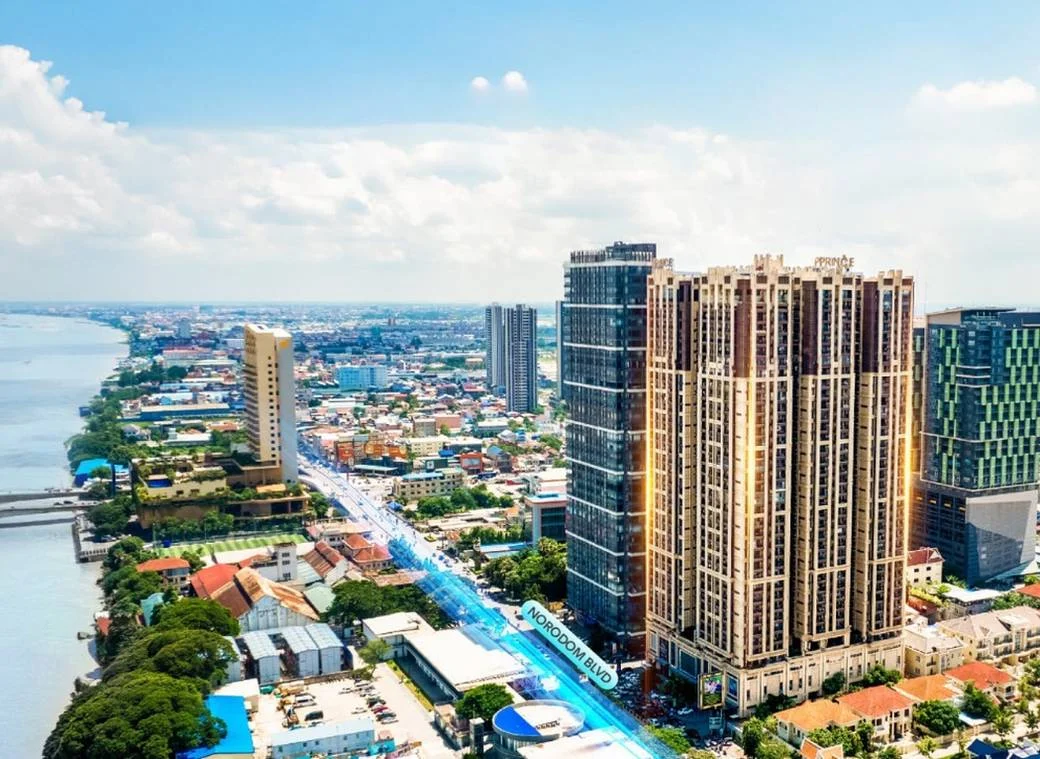
Quick answer: Arakawa Premium Suite is a boutique, serviced-style condo aimed at cash-flow buyers who want a small, rentable unit rather than a family home. Foreigners can own strata units above the ground floor within the 70% per-building quota. Treat 12% to 15% gross yields as marketing; a realistic net result sits near 4% to 7% after management and vacancy, and compact units carry higher void risk. Verify the quota, the management contract, and resale demand before deposit.
Invest Cambodia Editorial reviews Phnom Penh projects for foreign buyers with an emphasis on honest cash flow and liquidity. This page covers the Arakawa Premium Suite as a boutique, serviced-style rental proposition: who it suits, how the small-unit economics actually work, what the management contract changes, and where the risks concentrate.
What is Arakawa Premium Suite and who should consider it
The buyer this project fits is a cash-flow investor who wants a manageable ticket, accepts active or outsourced management, and is comfortable that a studio or small one-bedroom turns over tenants more often than a family unit. If you want capital appreciation from a scarce, central, family-sized asset, this is the wrong product; a larger central condo such as the kind reviewed alongside the one-bedroom condo investment guide is a closer match.
Clear the basics first. The can foreigners buy property in Cambodia explainer covers who can own what, and our Phnom Penh rental yield guide gives you the model you need to test any income claim the developer makes.
| 2026 metric | Indicative value | Buyer use |
|---|---|---|
| Phnom Penh avg price | $1,800 per sqm | Baseline vs district premium |
| Foreign quota cap | 70% per building | Above ground floor only |
| Banking NPL ratio | 8.9% | Developer completion risk |
| Stamp duty window | Through 31 December 2026 | Registration timing |
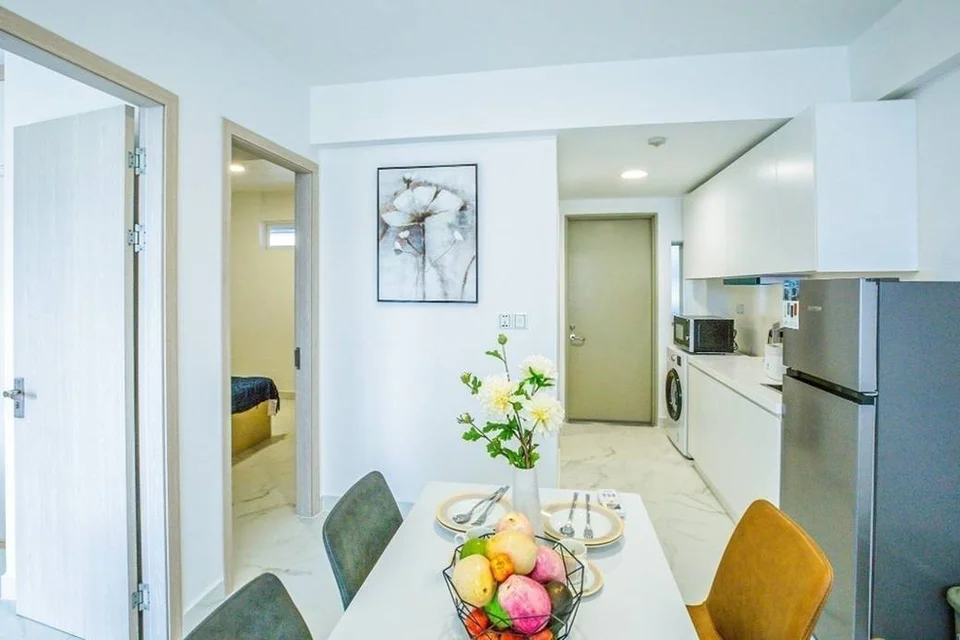
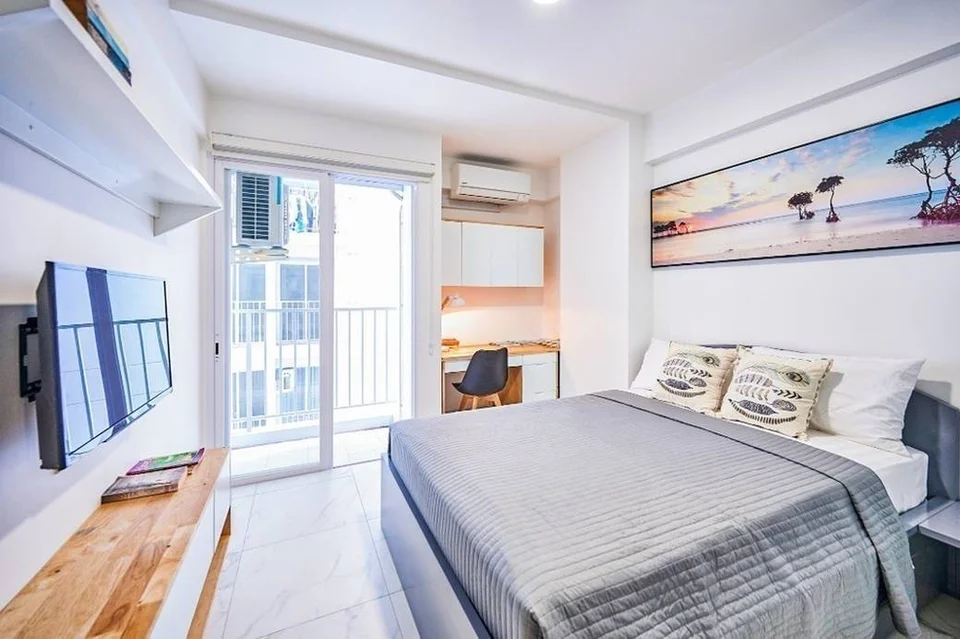
Foreign ownership and strata title at Arakawa Premium Suite
Title type is where suite projects sometimes get sloppy. A registered strata co-ownership certificate is the goal. A soft title, a co-ownership promise, or a unit sold before the building’s strata registration is completed all carry more risk. Walk through the title hierarchy in foreign ownership and strata title and insist your lawyer confirms the registration status in writing.
| Ownership factor | Suite project reality | Buyer action |
|---|---|---|
| Foreign quota | 70% per building, fills faster | Confirm remaining slots in writing |
| Eligible floors | Above ground floor only | Check the suite’s floor |
| Title type | Strata certificate preferred | Verify registration status |
| Management overlay | Often bundled with sale | Read the contract separately |
| Co-ownership fees | Monthly plus sinking fund | Confirm the rate per sqm |
A bundled management deal can blur the line between buying an asset and buying into a rental program. Keep the two contracts mentally and legally separate.
Arakawa Premium Suite pricing and cash-flow math
The number to underwrite is net cash flow, not the brochure gross yield. A suite that rents well can still disappoint once you subtract a management fee of 8% to 20%, two to three vacant turnover weeks between tenants, furnishing replacement, and the sinking fund. Build the model on verified rent comps for nearby compact units and leave the developer’s projection out of it.
| Cost or input | Indicative figure | Why it matters |
|---|---|---|
| Price per sqm | At or above 1,800 US dollars | Compact units price higher per sqm |
| Management fee | 8% to 20% of rent | Depends on serviced model |
| Vacancy | 2 to 3 weeks per turnover | Small units turn over often |
| Furnishing | 5,000 to 12,000 US dollars | Required and replaced over time |
| Net yield target | 4% to 7% | After every cost, not gross |
The Cambodia stamp duty exemption for 2026 can trim transfer cost through 31 December 2026 on qualifying deals. Confirm eligibility for your specific contract in writing and put the saving into the spreadsheet before counting it.
Serviced-style rental: occupancy and yield assumptions
Reject the 12% to 15% gross headlines outright. They assume permanent full occupancy, ignore management cost, and treat furnishing as free. A disciplined model uses 80% to 88% occupancy for a compact suite, the real management fee from the contract, and a furnishing reserve. The output is usually a net yield in the 4% to 7% band, which can still be attractive if you bought at a sensible price and manage the asset actively.
| Yield input | Conservative assumption | Note |
|---|---|---|
| Occupancy | 80% to 88% | Lower than family units |
| Management | 8% to 20% of rent | Confirm the actual model |
| Furnishing reserve | Annual provision | Suites wear faster |
| Net yield target | 4% to 7% | After all costs |
| Tenant type | Short and medium stay | Higher turnover risk |
How Arakawa Premium Suite fits an expat tenant thesis
The honest framing is that a suite is a rental machine, not a lifestyle purchase. If the location does not generate steady short-and-medium-stay demand, the high gross yield on the brochure never materialises. Match the suite to a proven tenant catchment, or expect the vacancy assumption to break against you.
It also helps to map the competition before you buy. Walk the surrounding blocks and count how many comparable serviced suites already advertise on local listing portals, then check their asking rents and how long they have sat on the market. A suite that competes against dozens of near-identical units a few minutes away has little pricing power, while one in a thinner local supply pocket can hold both rent and occupancy. That on-the-ground check tells you more about real demand than any developer slide, and it costs you nothing but an afternoon.
Market context: why supply and absorption matter for small suites
Financing conditions add to the caution. A banking sector non-performing loan ratio near 8.9% means developer credit is tighter, and projects that depend on continued pre-sales to fund construction are more fragile than they were during the boom. For a suite project that leans on a serviced-rental story, that fragility raises the importance of escrow, proof of construction progress, and a developer with a real delivery record rather than a glossy launch.
Foreign demand remains a genuine pillar but a concentrated one. Reporting from realestate.com.kh has shown an active foreign buyer mix led by Polish buyers near 9%, Russian buyers near 9.6%, and French buyers near 7.4% of recent foreign interest, plus steady regional Asian demand. Serviced suites are often marketed straight at that overseas audience, which is precisely why their foreign quota can fill quickly and why their resale market depends on the next wave of foreign buyers showing up at a price that works for you.
| Market signal | 2026 reading | Effect on a suite project |
|---|---|---|
| Condo inventory | 76,000 to 80,000 units | Commodity suites compete hardest |
| Annual absorption | 3% to 4% | Slower resale for small units |
| Banking NPL ratio | 8.9% | Demand escrow and delivery proof |
| Average price | 1,800 US dollars per sqm | Suites price above this per sqm |
| Foreign buyer mix | Poland, Russia, France lead | Resale leans on foreign demand |
The conclusion is to buy suites only where location, management quality, and price give the unit a real edge over the thousands of competing studios in the pipeline.
Serviced-style suites live or die on real occupancy, not on the operator's projection. Want the actual let history for this building?
Request the occupancy recordAdvantages and disadvantages
| Advantages | Disadvantages |
|---|---|
| Lower absolute entry ticket | Higher price per sqm than larger units |
| Higher gross yield on paper | Higher vacancy and turnover risk |
| Serviced model can ease management | Management fee of 8% to 20% cuts net yield |
| Strata path for foreign buyers | Foreign quota fills faster in suite towers |
| Stamp duty incentive through 31 Dec 2026 | Thin resale liquidity for compact units |
| Appeals to a defined tenant niche | Demand is location-dependent and seasonal |
Red flags and due diligence for a boutique suite project
- Management contract you have not read: The serviced model is only as good as its fee split, occupancy reporting, and exit terms. Demand the complete contract and treat a one-page summary as insufficient.
- Guaranteed return clauses: Any promise of a fixed 12% to 15% return is a marketing structure that guarantees nothing. Ask who funds the shortfall if occupancy disappoints, and read the small print.
- Foreign quota nearly full: Suite towers marketed abroad can hit the 70% cap quickly. Get the remaining allocation confirmed in writing before deposit.
- Title not registered: Confirm with an independent lawyer that a strata co-ownership certificate has already been registered.
- Resale assumptions: Compact units are slower to resell. Read our resale liquidity guide and plan a hold of five years or longer.
Run the named developer and contract through the due diligence process step by step before you sign.
Buyer scenarios and decision framework
| Buyer profile | Goal | Best starting point |
|---|---|---|
| Cash-flow investor | Rentable small suite | Phnom Penh Rental Yield Guide |
| First-time foreign buyer | Learn quota and title | Can Foreigners Buy Property Cambodia |
| Hands-off owner | Outsourced management | Read the management contract first |
| Liquidity-sensitive buyer | Easier exit | Resale Liquidity Cambodia Condos |
| Comparison shopper | New versus resale | Off Plan VS Resale Cambodia |
Scenario one: An active cash-flow investor who will track occupancy, push the management company, and accept turnover can do well with a compact suite, provided the entry price and net yield stack up.
Scenario two: A buyer who wants truly passive income should scrutinise the management contract hard. Passive only works if the fee, reporting, and occupancy are real, and a fixed-return clause is a red flag rather than reassurance.
Scenario three: A liquidity-sensitive buyer who may need to exit within three years should probably avoid compact suites entirely. The resale pool is shallow, and forced sales of small units in an oversupplied market price poorly.
Closing verification checklist
Before you transfer any funds: confirm the remaining foreign quota in writing, verify the strata title with an independent lawyer, read the full management contract including fee split and exit terms, demand twelve months of real occupancy data for comparable suites, model net yield with conservative occupancy and the December 2026 stamp duty position, and stress-test a five-year hold against thin resale liquidity before you commit a deposit.
Frequently Asked Questions
It fits a cash-flow buyer who wants a small, rentable serviced-style suite and who manages the higher vacancy risk of compact units. Confirm the foreign quota, the management contract, and the realistic net yield before committing any deposit.
Yes, foreigners can hold strata co-ownership on units above the ground floor within the 70% per-building quota. Verify that the specific suite you want still sits inside the foreign-eligible allocation before you pay.
Ignore 12% to 15% gross headlines. After management, vacancy, sinking fund, and furnishing, a well-run compact suite more realistically nets 4% to 7%, and only if occupancy and the management fee are verified in advance.
Boutique suite projects typically range from compact studios to small one-bedroom layouts. Smaller units improve the price-per-unit entry point but carry higher vacancy sensitivity, so confirm the exact size and layout on the floor plan.
No. A management contract handles bookings and upkeep but charges a fee, often 8% to 20% of rent depending on the model. Read the contract, the fee split, and the exit terms before assuming hands-off income.
Resale liquidity for compact units is thinner than for family-sized condos and far thinner than Bangkok. Plan a hold of five years or longer and read our resale liquidity guide before buying for a short-term exit.
Get a Cambodia property shortlist
Share your budget, target district (BKK1, Koh Pich, Koh Norea, Siem Reap), and goal. We reply within one business day with matched stock and next steps.