Cambodia Banking NPL Snapshot 2026: Property Read-Through
Cambodia banking NPL ratio at 8.9% in 2026: developer financing stress, buyer mortgage availability, and property market implications for investors.
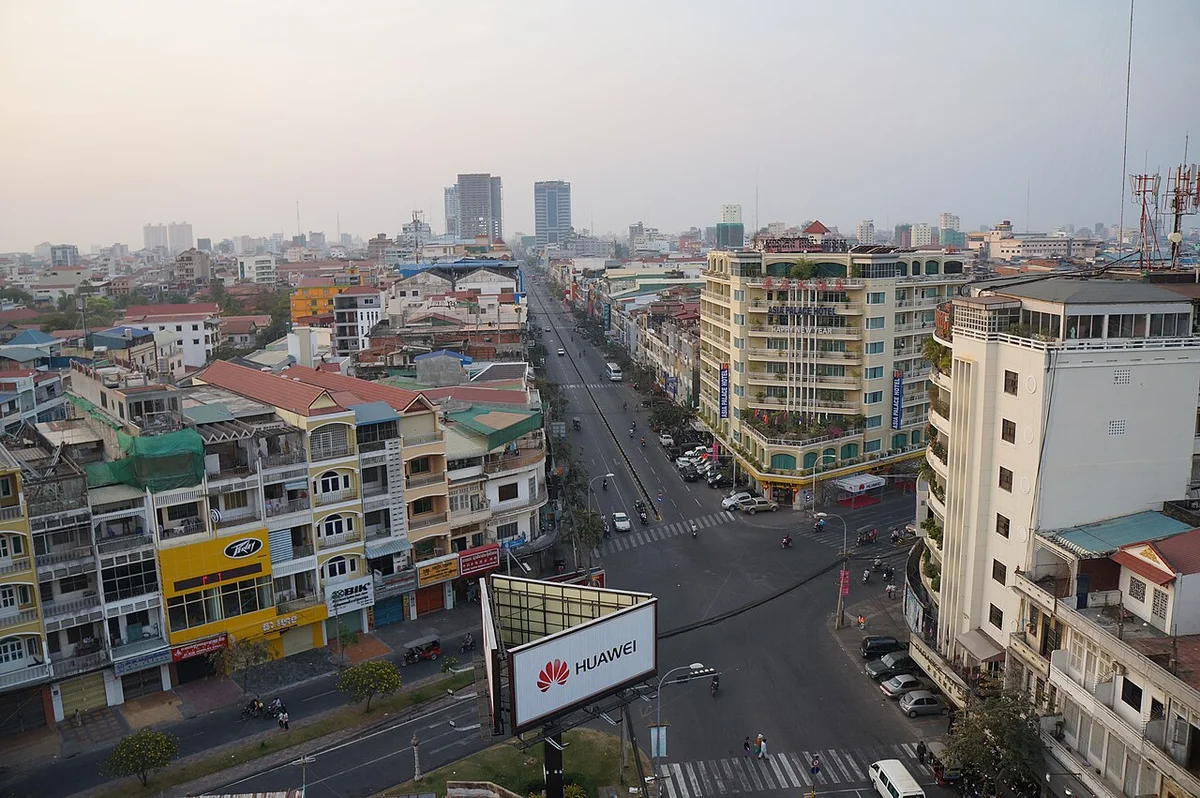
Quick answer: Cambodia’s banking non-performing loan ratio sits near 8.9% in mid 2026, tightening credit for developers and slowing mortgage approvals. Property investors should treat completion risk as the main read-through: screen presale-funded towers harder, demand escrow, and favour developers with finished inventory in BKK1 and Koh Pich.
When Cambodian lenders report an 8.9% non-performing loan ratio, the headline rarely mentions condos. Much of Phnom Penh’s pipeline was funded from buyer deposits rather than long dated bank facilities. As stressed loans climb, banks lend more selectively, which shows up as delayed handovers and sharper launch discounts.
This is a credit filter, not a citywide crash narrative. Weak presale chains break when new sales slow. That pattern sits at the centre of Npl Unfinished Projects Cambodia Warning and matters more in 2026 than brochure yield claims.
Why is the NPL ratio rising now?
Developers who expected cheap bridging finance may face higher costs or shorter tenors. Some shift burden to buyers through longer instalment plans. Banking data belongs in every Due Diligence Process Cambodia Step By Step checklist.
| 2026 metric | Indicative value | Buyer use |
|---|---|---|
| Phnom Penh avg price | $1,800 per sqm | Baseline vs district premium |
| Foreign quota cap | 70% per building | Above ground floor only |
| Banking NPL ratio | 8.9% | Developer completion risk |
| Stamp duty window | Through 31 December 2026 | Registration timing |
How does banking stress reach condo developers?
| Channel | What shifts in 2026 | Buyer action |
|---|---|---|
| Construction credit | Tighter draws, more collateral | Ask for facility or escrow proof |
| Presale velocity | Discounts to raise cash | Compare discount to completion risk |
| Handover timing | Slippage on weak balance sheets | Document prior phase delivery |
| Resale finance | Lower LTV for borderline files | Model cash exit, not bank exit |
| Secondary pricing | Motivated sellers in stressed names | Verify title and foreign quota |
Presale-dependent models are most vulnerable. If phase three depends on phase four deposits and new sales stall, the tower pauses. Developer Due Diligence Red Flags Cambodia lists signals: last-minute discounts, downgraded finishes, and missing site photos.
What should investors change in Phnom Penh?
Foreign buyers should prioritise verified foreign quota and developers with finished towers you can visit. Resale can beat fresh off-plan when the unit is complete; see Off Plan Property Cambodia Guide for when instalments still make sense. See Buy New VS Resale Cambodia. Entry projects such as Square Castle sit in the affordable tier, but funding verification comes before any per sqm discount. Cash and milestone instalments remain the main paths for overseas buyers. Local mortgages for non-residents were never deep and NPL pressure makes them thinner. Completed stock in BKK1 and Tonle Bassac still attracts expat tenants when launches slow. Pair tax timing with Cambodia Property Taxes Fees 2026, but saving stamp duty on a stalled off-plan deal is no win.
What a buyer should actually do about it
An NPL ratio near 8.9% is a developer-solvency signal, not a reason to avoid the market, and the practical response is to change what you verify rather than whether you buy. The exposure it creates is concentrated in one place: money paid to a developer before a building exists.
| Exposure | Response |
|---|---|
| Off-plan deposit at risk | Verify the development licence and guarantee deposit |
| Developer cash stress | Prefer milestone payments over calendar dates |
| Stalled project resold as active | Site visit, and check permit currency |
| Guaranteed-yield offers | Ask who funds the guarantee, and read their accounts |
| Completed stock | Materially less exposed |
| Bank lending to foreigners | Thinner, at about 6.88% then 7.88% |
Our underwriting shifts weighting toward completed and titled stock when the NPL reading is at this level, because the premium a buyer pays for a finished unit is smaller than the amount at risk in an unfinished one. The buyer scenario that suffers is the one drawn to an entry-tier calendar plan precisely because the monthly commitment looks manageable, without noticing that the schedule bills on dates regardless of whether the building moves.
- The NPL reading changes what you verify, not whether you buy.
- Milestone payments beat calendar payments when developers are stressed.
- Stalled-tower patterns sit in the NPL warning guide.
- Licence documents are listed in the scam checklist.
- Payment structures are in the payment schedule guide.
Holding an off-plan contract and worried about this? We will screen your developer's funding model against the milestone schedule.
Screen your developerWhat sits behind the ratio
A non-performing loan ratio near 8.9% is usually read as a warning about mortgages. For a property buyer it matters somewhere else entirely: on the developer’s side of the table. Cambodian residential buyers are not heavily leveraged by regional standards, so a rising ratio does not primarily signal households failing to pay. It signals that banks are carrying impaired exposure to the businesses they lent to, and construction is prominent among them.
The collateral behind that exposure is measurable, and it is soft. Phnom Penh office occupancy reads about 64% against a pre-supply peak near 90%, with asking rents roughly 20% below 2019. Retail occupancy in the first half of 2026 sat at 57%, leaving close to 450,000 sqm of retail space vacant. Those are the commercial assets valued in a lender’s book, and when they underperform, the bank’s appetite for the next construction facility tightens before any headline says so.
That transmission chain is what reaches a buyer. Credit tightening does not arrive as a press release; it arrives as a developer’s payment schedule that suddenly wants more money earlier, as a launch discount that appears without an occasion, or as a project that goes quiet between milestones. None of those is proof of distress on its own, but a buyer who knows what the ratio is describing will read all three as questions rather than as offers, and will want the deposit mechanics under Prakas 047 confirmed in writing before answering any of them.
Frequently Asked Questions
An 8.9% non-performing loan share signals tighter bank credit across Cambodia. Developers who fund construction from rolling presales face higher completion risk, while foreign buyers should expect stricter payment verification and slower mortgage approvals on resale units.
Presale-dependent builders with multiple active towers and thin equity buffers are most exposed. Developers with secured facilities, escrow milestones, and a track record of on-time handovers in BKK1 and Koh Pich carry lower counterparty risk in a credit-tight cycle.
Pause only when you cannot verify funding. Off-plan can still work if instalments tie to construction milestones, escrow is documented, and the developer has finished comparable towers. Use the NPL headline to demand stronger contract terms, not as a blanket stop signal.
Local banks already lend cautiously to non-residents. Higher system NPL pushes lenders to tighten loan-to-value ratios and income documentation. Most foreign buyers still pay cash or use developer instalment plans, but resale financing becomes harder when credit stress rises.
Request the developer's funding model, visit active sites, compare promised handover dates against prior phases, and read our unfinished-project warning guide before any deposit. Escrow and milestone-linked payments matter more than headline discounts.
Get a Cambodia property shortlist
Share your budget, target district (BKK1, Koh Pich, Koh Norea, Siem Reap), and goal. We reply within one business day with matched stock and next steps.