Best Areas to Invest in Phnom Penh 2026: District Guide
Best areas to invest in Phnom Penh 2026: compare BKK1, BKK3, Tonle Bassac, Koh Pich, Koh Norea and the Techo airport corridor on price, yield and risk.
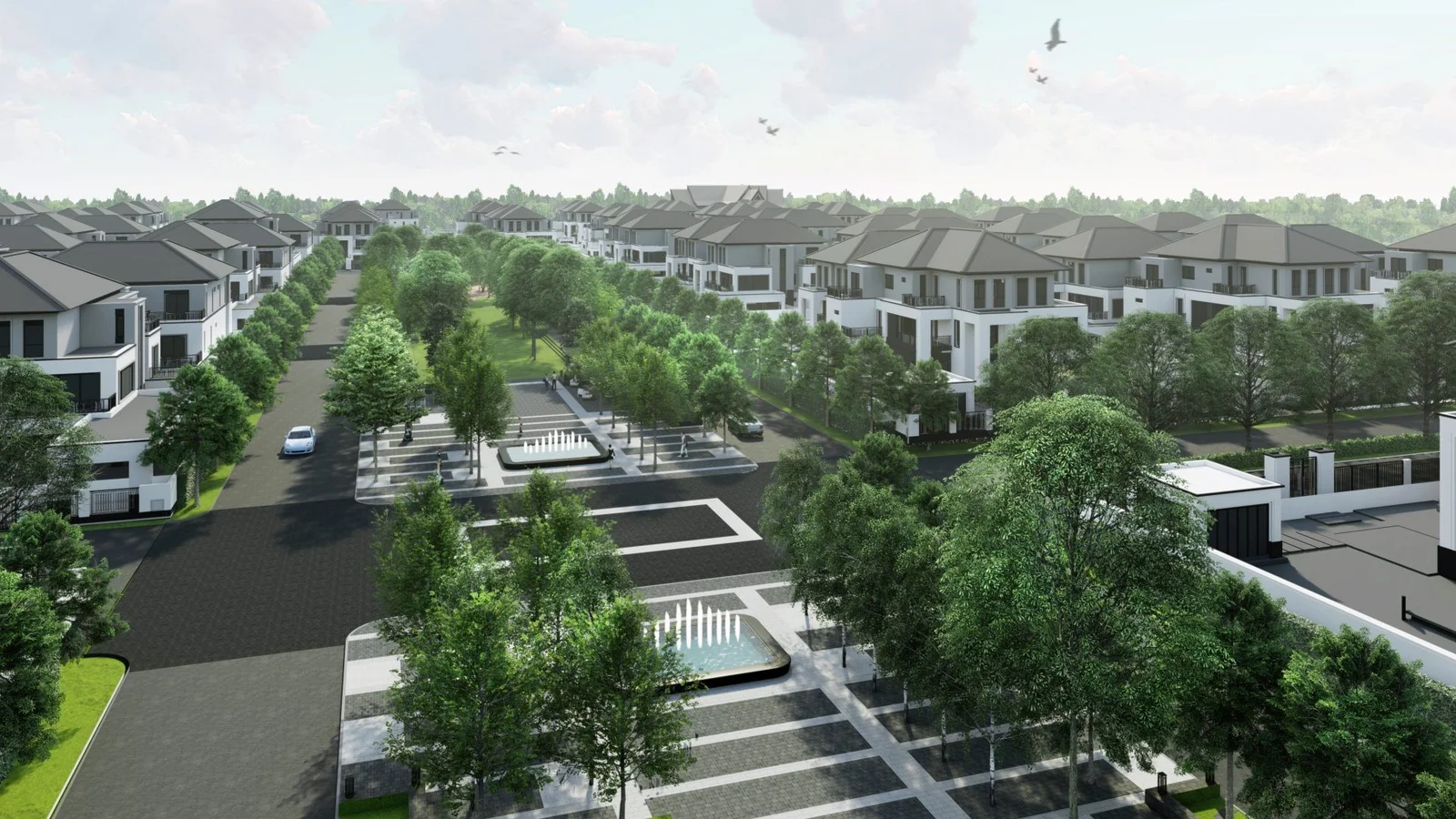
Quick answer: The best areas to invest in Phnom Penh in 2026 are BKK1 for stable expat demand and resale liquidity, BKK3 for value and gross yield, and Tonle Bassac for riverside corporate leases. Koh Pich and Koh Norea suit brand-led end users, the Techo airport corridor is a long-hold growth bet, and Sihanoukville and Siem Reap are specialist plays. Foreign buyers hold strata units within a 70% per building quota, citywide net yield is roughly 4% to 6%, and entry prices start near $40,000.
Invest Cambodia Editorial maps Phnom Penh district by district for foreign buyers, focused on what each area actually delivers on tenant demand, entry price, resale liquidity and risk. This guide is the hub: each district links to a full area page so you can drill down before you shortlist a building.
For portfolio context read Cambodia Property Investment Guide 2026, Can Foreigners Buy Property Cambodia, Phnom Penh Rental Yield Guide, and Cambodia Property Market Outlook 2026.
Which Phnom Penh districts are best for investment in 2026?
The table below is the master map. It compares all ten areas covered on this site on indicative pricing, a net yield signal and the buyer each suits. Treat the price bands as 2026 starting points and verify the specific building before you commit.
| District | Indicative price per sqm | Entry 1BR price | Net yield signal | Best for |
|---|---|---|---|---|
| BKK1 | $2,000 to $2,800 | $90,000 plus | Strong, stable | Stability, resale depth |
| BKK3 | $1,500 to $2,000 | $50,000 to $90,000 | Moderate to high | Value, gross yield |
| Tonle Bassac | $2,000 to $3,000 | $95,000 plus | Strong | Riverside, corporate lease |
| Toul Tom Poung | $1,600 to $2,100 | $55,000 to $95,000 | Moderate | Lifestyle, boutique |
| Toul Kork | $1,500 to $2,000 | $55,000 to $90,000 | Moderate | Family, education-linked |
| Koh Pich | $2,200 to $3,200 | $120,000 plus | Lower | Brand end user |
| Koh Norea | $1,800 to $2,600 | $90,000 plus | Speculative | Early growth, patient hold |
| Techo corridor | $700 to $1,400 | Land or off-plan | Long hold | Infrastructure growth bet |
| Otres, Sihanoukville | $1,000 to $1,800 | Project dependent | Volatile | Tourism recovery play |
| Siem Reap | $900 to $1,600 | Project dependent | Thin rental | Tourism, lifestyle |
Read each district in detail through BKK1 Phnom Penh, BKK3 Phnom Penh, Tonle Bassac, Toul Tom Poung, Toul Kork, Koh Pich, Koh Norea, Techo Airport Corridor, Otres Beach Sihanoukville and Siem Reap Property.
What makes BKK1 the prime expat district?
The investment case for BKK1 is risk-adjusted net yield, not headline gross. A one-bedroom unit here commonly leases at roughly $450 to $750 per month and a two-bedroom at $800 to $1,400, with senior expat and embassy tenants who sign longer leases and churn less. Gross yield looks moderate because entry prices are high, but the net you actually bank holds up across the cycle because re-let friction is low. For an absentee owner who values a tenant they keep for two years over a higher nightly rate they cannot fill, BKK1 is the safest district in the city. The trade-off is capital intensity: this is not where a $40,000 budget competes. Verify the building foreign quota and recent signed leases, then read the full picture in BKK1 Phnom Penh.
| 2026 metric | Indicative value | Buyer use |
|---|---|---|
| Phnom Penh avg price | $1,800 per sqm | Baseline vs district premium |
| Foreign quota cap | 70% per building | Above ground floor only |
| Banking NPL ratio | 8.9% | Developer completion risk |
| Stamp duty window | Through 31 December 2026 | Registration timing |
Is BKK3 the best value-yield play?
BKK3 rewards yield-focused buyers who underwrite conservatively and punishes anyone who trusts the brochure. The district attracts young expats and remote workers, a price-sensitive tenant base that negotiates harder and moves more often than the BKK1 corporate pool. That means you should model one to two months of vacancy where a launch implies an optimistic two weeks, and you should treat any gross figure over 8% as a number that needs rent comps and a fee schedule in writing. Buy the right building with strong management and a defensible address, and BKK3 delivers solid net cash flow on a smaller ticket. In a commodity tower inside an oversupplied cluster, your headline gross evaporates into discounting. The direct prime-versus-value call is set out in BKK1 VS BKK3 Investment, and the district detail sits in BKK3 Phnom Penh.
Why do investors pick Toul Tom Poung and Toul Kork?
These districts suit investors who want a more local, lived-in tenant base and lower turnover than the transient remote-worker pool. Toul Tom Poung one-bedroom units lease at roughly $400 to $650 per month with a distinctive cafe and gallery character that holds rent better than a generic tower. In Toul Kork a one-bedroom runs $350 to $600 and draws family tenants who sign longer leases because they are anchored to schools. Both areas carry less of the speculative oversupply that weighs on BKK3, but they also offer thinner brand-new strata stock, so foreign buyers should check quota availability carefully. Drill into the neighbourhoods through Toul Tom Poung and Toul Kork before you shortlist.
What is the riverside premium in Tonle Bassac?
The Tonle Bassac case is corporate lease stability with a premium address. One-bedroom units lease at roughly $500 to $850 per month and two-bedrooms at $900 to $1,600, often to corporate or NGO tenants on longer leases that reduce churn. That tenant quality is the asset: re-let speed is fast and resale demand is steady because the location is genuinely scarce, unlike a commodity tower that can be replicated three streets away. The risk is that you pay close to peak pricing, so capital growth from here is slower than in an early-stage corridor. For a stability-focused buyer who prioritises predictable cash flow and exit depth, Tonle Bassac is a core holding. The full area breakdown is in Tonle Bassac.
Are Koh Pich and Koh Norea worth the brand premium?
Koh Pich is a lifestyle and brand play more than a yield play. Entry pricing above $120,000 buys a recognised, amenity-rich address, but end-user rent does not scale with the higher entry price, so net yield often lands near 4% to 5%, below what a well-bought BKK3 unit produces on a smaller ticket. Koh Norea is more speculative: the master plan and infrastructure are still being delivered, so current rental demand is thinner and you are buying tomorrow’s catchment today. That can work for a patient buyer who believes in the growth story, but it is not a cash-flow district yet. Cross-check developer delivery before any off-plan instalment, and read Koh Pich and Koh Norea for the project-level detail.
How does the Techo Airport corridor change the map?
This corridor suits a specific buyer: long hold, patient capital and a tolerance for an immature rental market. The growth thesis is real, because major airport infrastructure historically pulls residential and commercial development toward it, but the timeline is measured in years. A buyer who needs monthly cash flow now should not be here. A land or early off-plan buyer who can wait for the catchment to mature, and who verifies developer credibility and clear title, may capture capital growth that central districts have already priced in. Treat any rental projection in this corridor with extra scepticism, let capital growth carry the weight of your model, and find the area detail in Techo Airport Corridor.
Should you look beyond Phnom Penh to Sihanoukville and Siem Reap?
Both markets trade liquidity for upside. Otres Beach offers coastal pricing of $1,000 to $1,800 per sqm and a recovery narrative, but Sihanoukville carries real oversupply, stalled projects and volatility that punished earlier speculators. Siem Reap pricing of $900 to $1,600 per sqm pairs with a tourism economy that is genuinely recovering, but the condo rental pool is thin and seasonal, so most returns depend on capital growth or short-let tourism rather than steady residential leases. For diversification a small position can make sense, but the deepest, most liquid and most defensible market remains Phnom Penh. Compare the coastal call in Phnom Penh VS Sihanoukville, and read Otres Beach Sihanoukville and Siem Reap Property before committing.
How do the districts compare on price and yield?
Phnom Penh districts sort into five investor tiers, and the trade-off is consistent: prime addresses give up 100 to 200 basis points of gross yield in exchange for shorter voids and a deeper exit, while value-yield districts print 7% to 9% headlines that survive contact with vacancy far less well. Our shortlists weight liquidity over headline yield.
| Tier | Districts | Entry price | Gross signal | Risk-adjusted net | Liquidity |
|---|---|---|---|---|---|
| Prime stability | BKK1, Tonle Bassac | High | Moderate | Strong | Deep |
| Value yield | BKK3, Toul Tom Poung, Toul Kork | Low to mid | High headline | Moderate | Mixed |
| Brand end user | Koh Pich, Koh Norea | High | Lower | Moderate | Thin to mid |
| Growth bet | Techo corridor | Low | Land or none | Long hold | Thin |
| Specialist | Sihanoukville, Siem Reap | Low to mid | Volatile | Speculative | Thin |
A higher gross figure in an oversupplied cluster is not a bargain if it comes with three months of vacancy and annual rent cuts. Weight your shortlist toward districts where you can defend the rent, then verify the specific building with signed lease comps. Three checks decide the tier in practice:
- Rent defensibility: does the district hold rent through a supply cycle, or discount 10% to 15% to fill?
- Void length: one void month against two is worth roughly 60 to 90 basis points of net yield.
- Exit depth: a local-only buyer pool at resale narrows the exit whatever the yield was. The full net-yield method is in Phnom Penh Rental Yield Guide, and the yield band for each district with entry prices per sqm is in the district rental yield comparison.
Narrowed it to two or three districts? We will put live pricing, quota headroom and real lease comps side by side for your shortlist.
Compare your shortlistWhat are the advantages and disadvantages of each district tier?
Each tier carries a distinct advantage and disadvantage profile, and the worst mistake is buying a growth-tier asset while expecting prime-tier cash flow. The table below pairs the upside against the downside so you can match a tier to your goal before you fall for a single high number.
| Tier | Advantages | Disadvantages |
|---|---|---|
| Prime stability | Fast re-let, deep resale, stable tenants | High entry price, slower capital growth |
| Value yield | Low ticket, high gross headline | Oversupply, price competition, churn |
| Brand end user | Recognised address, amenities, end-user demand | Lower net yield, brand premium priced in |
| Growth bet | Cheap entry, infrastructure upside | Thin rental now, long hold, delivery risk |
| Specialist | Tourism upside, diversification | Volatile, illiquid, seasonal demand |
The pattern is consistent across the city. Prime districts protect the downside; value districts maximise the headline but demand discipline; growth and specialist districts trade cash flow for a thesis. Decide which trade-off fits your hold period first, then shortlist districts, then verify buildings.
What red flags should you check before buying in any district?
The district-level red flags that matter most are inflated gross claims, a full foreign quota, weak developer delivery and undisclosed oversupply in the immediate cluster. Each one can turn a 6% net into a 2% net or a stalled asset, regardless of which district you choose, so every one of them has to be verified before the deposit.
- Gross inflation: Any gross yield over 8% needs rent comps, a fee schedule, vacancy history and furnishing amortisation in writing before you believe it.
- Quota full: Request the building foreign quota ledger; a near-full 70% ceiling narrows your future resale pool to Cambodian buyers who price differently.
- Developer delay: Cross-check OCIC, Megakim, Chip Mong and Urbanland handover history against current construction photos for any off-plan unit.
- Cluster oversupply: Count the competing towers within walking distance; a district average hides a single oversupplied pocket that discounts rent hardest.
- Title and structure: Confirm hard title where relevant and the strata co-ownership template with a Cambodia lawyer before paying.
Insider tip: Visit a shortlisted building twice on a weekday and ask the building manager for the actual collected-rent roll and current vacancy count, which say more than any developer rental projection. A district can look strong on paper while one specific tower sits half empty because of boulevard noise, active construction next door or a weak management company. The asset you buy is the building, not the district average. The wider verification workflow is in Due Diligence Process Cambodia Step By Step and the delivery checks in Developer Due Diligence Red Flags Cambodia.
Which district fits your buyer profile?
| Profile | Budget | Best-fit district | Starting point |
|---|---|---|---|
| Entry investor | Under $50,000 | BKK3 or Megakim project | Off Plan Property Cambodia Guide |
| Yield-focused | $50,000 to $90,000 | BKK3, Toul Tom Poung | BKK1 VS BKK3 Investment |
| Stability-focused | $90,000 to $250,000 | BKK1, Tonle Bassac | BKK1 Phnom Penh |
| Brand end user | $120,000 plus | Koh Pich | Koh Pich |
| Long-hold growth | Land or off-plan | Techo corridor, Koh Norea | Techo Airport Corridor |
Scenario A: An entry buyer with under $50,000 starts in BKK3 or a Megakim instalment project, accepts a price-sensitive tenant pool, and underwrites a 5% net with two months of vacancy rather than a 12% gross headline.
Scenario B: A stability-focused buyer with $150,000 targets BKK1 or Tonle Bassac for corporate and embassy leases, accepts a lower 4% to 5% net, and prioritises re-let speed and resale depth over a higher number.
Scenario C: A long-hold investor buys land or early off-plan in the Techo corridor, expects little or no rental income for several years, and underwrites the position entirely on infrastructure-led capital growth.
Districts chosen, the building question follows: the verified condo shortlist picks per buyer goal from the 64 documented buildings, with the criteria printed before the picks, and 21 unverifiable-developer buildings excluded by rule.
Closing checklist
Before you transfer funds in any district, confirm remaining foreign quota in writing, validate the strata co-ownership template with a Cambodia lawyer, model net yield with one to two months of vacancy and a verified fee schedule, archive six months of signed lease comps for the specific building, and check the stamp duty incentive position that runs to 31 December 2026. Use Cambodia Property Taxes Fees 2026 for the cost detail and Due Diligence Process Cambodia Step By Step as your transfer-day checklist.
Frequently Asked Questions
BKK1 leads for stable expat rental demand, BKK3 for value and gross yield, and Tonle Bassac for riverside and corporate leases. Koh Pich and Koh Norea suit brand-led end users, while the Techo airport corridor is a longer-hold growth bet. Match the district to your hold period, not the headline yield.
BKK3 and Toul Tom Poung often show the highest gross yield because entry prices are lower, but BKK1 and Tonle Bassac usually deliver the strongest risk-adjusted net yield once vacancy and re-let speed are priced in. Realistic net across the city is roughly 4% to 6%.
Yes for stability-focused buyers. BKK1 carries the deepest expat, embassy and NGO tenant pool, so units re-let faster and resale liquidity is better than newer clusters. You pay a premium near or above $1,800 to $2,500 per sqm for that defensibility.
Only with a long hold and patience. The Techo airport corridor is an infrastructure-led growth play with thinner current rental demand. It suits land and early off-plan buyers who can wait for the catchment to mature, not investors who need cash flow now.
Phnom Penh offers the deepest and most liquid condo market. Otres Beach in Sihanoukville is a higher-risk recovery and tourism play, while Siem Reap is a tourism and lifestyle market with thinner condo stock. Most first-time foreign investors should start in Phnom Penh.
Entry one-bedroom units start from about $40,000 in outer districts and Megakim-style projects, mid-market BKK3 runs $50,000 to $90,000, and prime BKK1 or Tonle Bassac typically starts above $90,000. Budget legal, furnishing and fees on top of the sticker price.
Get a Cambodia property shortlist
Share your budget, target district (BKK1, Koh Pich, Koh Norea, Siem Reap), and goal. We reply within one business day with matched stock and next steps.