Phnom Penh vs Sihanoukville Property: 2026 Compare
Phnom Penh vs Sihanoukville property in 2026: capital-city liquidity and expat rent against coastal tourism yields, completion risk, and a buyer matrix.
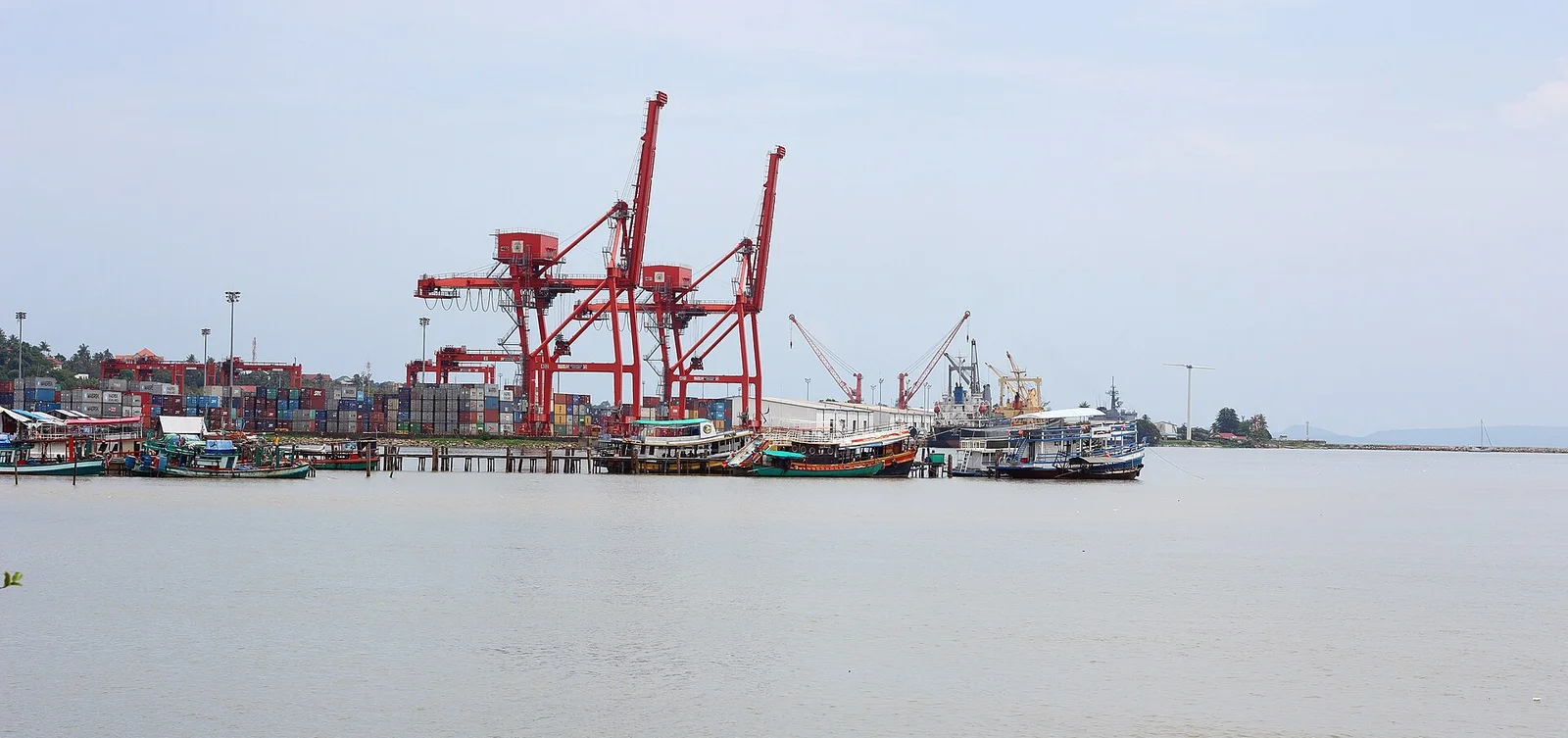

Quick answer: Phnom Penh is the capital-city play with deeper expat tenant demand, more resale liquidity, and steadier year-round yields, against a supply backdrop of 76,000 to 80,000 condo units. Sihanoukville is the coastal tourism play with higher potential yields tied to the travel rebound, but it carries an unfinished-project legacy, stronger seasonality, and thinner resale. Same national 70% foreign quota applies in both. Most foreign buyers should anchor in Phnom Penh and treat Sihanoukville as higher-risk satellite exposure.
Invest Cambodia Editorial tracks Phnom Penh strata condos, coastal markets, and realistic net yield for foreign buyers. This page compares Phnom Penh vs Sihanoukville property with tables on demand, yield, supply, and risk, then links to deeper guides on invest-cambodia.com. For the wider national thesis read Cambodia Property Market Outlook 2026; this router page focuses on the head-to-head between the capital and the coast.
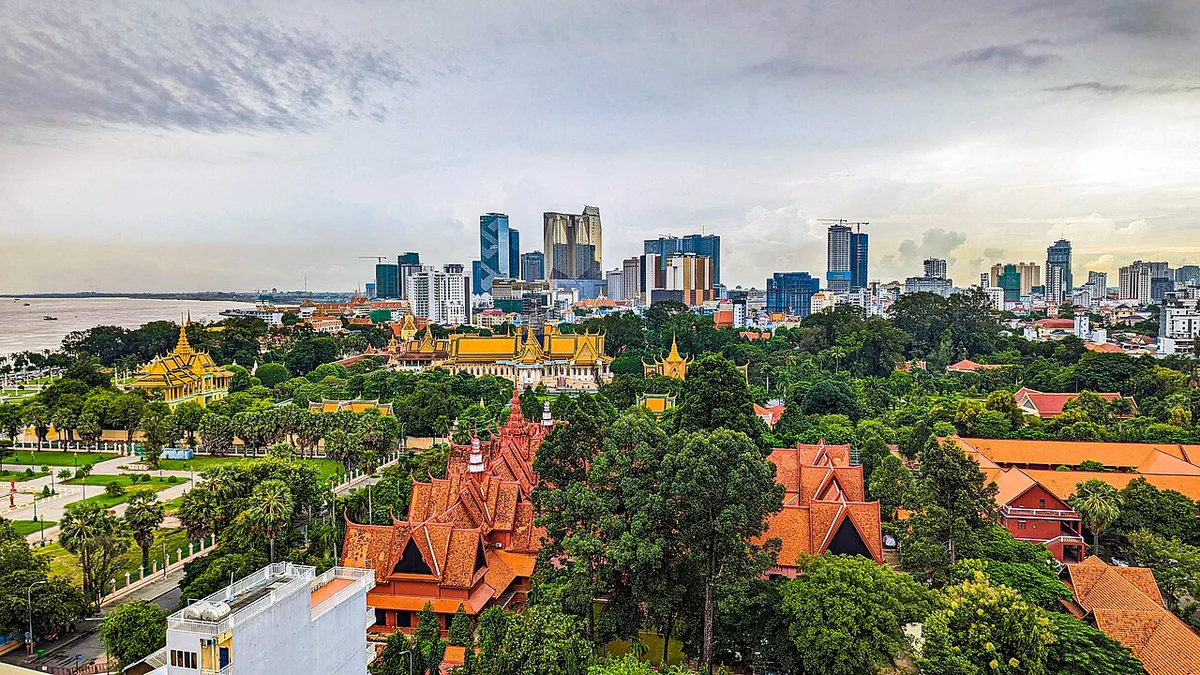
What separates these two markets?
The foreign ownership mechanics are identical: foreign freehold above the ground floor, capped at 70% of the total area of the private units per building, with land freehold off-limits in both cities. Read Can Foreigners Buy Property Cambodia for the rule itself. What changes between the two markets is everything downstream of ownership, demand depth, liquidity, supply risk, and the type of tenant you are underwriting.
| Market factor | Phnom Penh | Sihanoukville |
|---|---|---|
| Economy type | Capital, diversified | Coastal, tourism-led |
| Tenant base | Year-round expat | Seasonal, leisure |
| Demand pattern | Structural | Cyclical |
| Resale liquidity | Deeper | Thinner |
| Supply risk | Visible pipeline | Unfinished legacy |
| Foreign quota | 70% per building | 70% per building |
Who rents in each city, and at what yield?
Treat 12% to 15% gross yield claims as marketing only, with no guarantee, in either city. The honest comparison is net yield after vacancy, management, and maintenance. In Phnom Penh, model 85% occupancy with one to two months of vacancy per year using Phnom Penh Rental Yield Guide. In Sihanoukville, stress-test a wider vacancy band, because a coastal short-stay unit can run hot in peak months and near-empty off-season, which makes the annual average the only number that matters.
| Yield factor | Phnom Penh | Sihanoukville |
|---|---|---|
| Headline yield | Steadier | Higher but volatile |
| Seasonality | Low | High |
| Tenant type | Corporate, expat | Tourists, leisure |
| Vacancy band | Narrower | Wider |
| Management depth | Growing | Thinner |
| Income reliability | More predictable | Sentiment-driven |
How much supply and completion risk sits in each?
That makes project-level due diligence non-negotiable on the coast. Verify which towers are actually delivering, check the developer’s finished track record, and walk away from stalled buildings no matter how steep the discount. Cambodia’s 8.9% banking NPL ratio underlines the financing stress behind stalled projects nationwide. Read Developer Due Diligence Red Flags Cambodia before you consider any Sihanoukville off-plan unit, and use Buy New VS Resale Cambodia to weigh a completed coastal resale against an unfinished launch.
What actually drives each local economy?
Sihanoukville runs on a narrower and more volatile engine: a deep-water port, a special economic zone, and above all tourism. The coastal boom that built so many towers was driven by a specific wave of investment that later receded, which is exactly why the unfinished-project legacy exists. The upside case for the coast is real, because a genuine tourism rebound lifts short-stay demand, occupancy, and room rates together, but it is a single-theme bet. A buyer in Sihanoukville is underwriting the travel cycle, while a buyer in Phnom Penh is underwriting a broader urban economy. That distinction should sit at the centre of the decision, ahead of any per-sqm headline.
Short-stay or long-term letting in each city?
Sihanoukville leans toward short-stay and seasonal demand, which is higher-touch and higher-variance. A coastal unit run as a holiday let can earn strong nightly rates in peak season but needs active management, cleaning, listing fees, and a marketing presence, and it can sit largely empty out of season. That operating intensity is a cost most spreadsheets ignore. Before choosing the coast for short-stay income, decide who manages the unit, what the all-in management cost is, and whether the annual blended occupancy still clears your target after those expenses. For nationality-specific buying patterns and how different foreign buyers approach these markets, see American Buyers Cambodia Investment Guide, Polish Buyers Cambodia Property Guide, and French Buyers Cambodia Property Guide.
| 2026 metric | Indicative value | Buyer use |
|---|---|---|
| Phnom Penh avg price | $1,800 per sqm | Baseline vs district premium |
| Foreign quota cap | 70% per building | Above ground floor only |
| Banking NPL ratio | 8.9% | Developer completion risk |
| Stamp duty window | Through 31 December 2026 | Registration timing |
How liquid is each city on exit?
In both cities, plan to hold five years or more so income and any capital growth can absorb illiquidity. If there is any chance you need an early exit, the capital is the safer base, and a completed unit in a proven Phnom Penh building is the most liquid option Cambodia offers a foreigner. Track the broader cycle through our news desk pieces cambodia-condo-market-q2-2026 and the coastal angle in cambodia-border-tourism-rebound-2026.
Capital or coast? We will show the letting record for both on your budget, including the seasonality the coast carries.
Compare both marketsAdvantages and disadvantages of each city
The decision is a trade between the capital’s stability and liquidity and the coast’s tourism-linked upside and higher risk.
| Advantages | Disadvantages |
|---|---|
| Phnom Penh: deeper, year-round expat demand | Phnom Penh: 76,000 to 80,000 units caps rent growth |
| Phnom Penh: more resale liquidity | Phnom Penh: lower peak yield than coastal short-stay |
| Phnom Penh: diversified capital economy | Phnom Penh: premium districts price higher |
| Sihanoukville: tourism rebound upside | Sihanoukville: unfinished-project legacy risk |
| Sihanoukville: higher peak-season yields | Sihanoukville: strong seasonality, wider vacancy |
| Both: same 70% foreign quota path | Both: no land freehold, ground floor restricted |
Risks, red flags, and what to verify
Verify these before committing in either city.
- Foreign quota: in Phnom Penh the cap binds in popular buildings; on the coast it almost never does, and that difference tells you where foreign demand actually is.
- Completion risk: In Sihanoukville especially, confirm the project is actively delivering and avoid stalled towers; cross-check the developer’s finished buildings.
- Seasonality math: For coastal short-stay units, underwrite the annual average occupancy, not the peak-month rate, and budget a wider vacancy band.
- Liquidity horizon: Plan a five-year-plus hold, and choose Phnom Penh if you may need to exit early.
- Yield inflation: Sihanoukville quotes the highest gross in the country and delivers the weakest occupancy, which is the entire comparison.
Insider tip: In Sihanoukville, treat the discount as a warning, not a bargain. A coastal unit priced far below replacement cost usually signals a stalled or distressed building, weak management, or a tourism segment that has not recovered, so reverse-engineer why it is cheap before you assume you have found value.
Buyer scenarios and decision framework
Match the city to your risk tolerance, income needs, and view on the coastal recovery.
| Buyer profile | Lean toward | Starting point |
|---|---|---|
| Lowest-risk first buyer | Phnom Penh | Best Areas Invest Phnom Penh 2026 |
| Year-round rental income | Phnom Penh | Phnom Penh Rental Yield Guide |
| Tourism-rebound believer | Sihanoukville | Cambodia Property Market Outlook 2026 |
| Maximum resale liquidity | Phnom Penh | Cambodia VS Thailand Property Investment |
| Coastal lifestyle plus rent | Sihanoukville | Developer Due Diligence Red Flags Cambodia |
| Full process detail | Either, verify first | Due Diligence Process Cambodia Step By Step |
A first-time foreign buyer who wants reliable rent and the option to exit usually belongs in Phnom Penh, anchoring in BKK1, BKK3, or Tonle Bassac where tenants are year-round. A higher-risk buyer who believes in the coastal rebound can add Sihanoukville exposure, but only after verifying completion risk project by project and underwriting a wider vacancy band. A buyer who simply wants the cheapest headline unit should be most cautious in Sihanoukville, where the cheapest stock is often the riskiest.
What does entry cost in each city?
Sihanoukville pricing is harder to read because the legacy of stalled projects distorts the headline numbers. Distressed and unfinished stock can appear far cheaper per sqm, which pulls the apparent average down and tempts buyers who screen on price alone. The result is that a low coastal price tag often reflects elevated completion or management risk rather than genuine value, so the same dollar figure means something very different on the coast than it does in the capital. The disciplined approach is to price each Sihanoukville building on its own merits, completion status, occupancy history, and management quality, rather than benchmarking it against a city average that distressed stock has skewed.
| Pricing factor | Phnom Penh | Sihanoukville |
|---|---|---|
| Average reference | About $1,800 per sqm | Distorted by distress |
| Price bands | Clear entry to premium | Wide, risk-laden |
| Value benchmarking | Easier, deep comps | Building-by-building |
| Cheapest stock | Often older or outer | Often stalled towers |
| Premium anchor | Koh Pich, Tonle Bassac | Beachfront, seasonal |
| Best practice | Compare nearby comps | Verify completion first |
How the districts inside each city differ
What would have to be true for Sihanoukville to work?
Sihanoukville works for a foreign buyer under three conditions, and all three have to hold at once. Tourism has to recover, the specific building has to be finished and titled, and the buyer has to be able to wait, because the exit depends on the next buyer sharing the same view of the coast.
| Condition | How to test it before you buy |
|---|---|
| Tourism recovering | Use the current year’s arrivals, never the 2019 peak |
| Building actually complete | Site visit, not renders; check the occupancy certificate |
| Strata title issued | Cadastral search, not the developer’s word |
| Foreign quota headroom | Written confirmation by floor stack |
| Holding period tolerable | Assume five years plus, not two |
| Management available | Ask who runs the building after handover |
Our analysis treats the second row as the one that separates the current market from the boom-era one. Sihanoukville’s problem was never demand in the abstract; it was a construction wave that outran completion, leaving buildings that look finished from the road and have never been titled. A buyer who verifies title and completion first is buying a different asset from the one that damaged the market’s reputation, and against a Phnom Penh alternative the coastal ticket can still make sense for someone with a long horizon.
- Verify completion and title before you look at price.
- Use current arrivals, not the pre-2020 peak, in any yield model.
- Unfinished-project patterns sit in the NPL warning guide.
- The coastal alternatives are in the Kampot and Kep area guides.
- Capital-city depth is covered in the best areas guide.
Frequently Asked Questions
Phnom Penh is the lower-risk choice. The capital has deeper expat tenant demand, more liquidity, and a more diversified economy. Sihanoukville offers tourism-linked upside but carries unfinished-project legacy and stronger seasonality.
Sihanoukville can show higher headline yields when tourism is strong, but they swing with the season and recovery. Phnom Penh yields are steadier, backed by year-round expat and corporate tenants. Treat 12% to 15% gross claims as marketing only.
Completion and oversupply legacy. A rapid construction boom left unfinished buildings, so verify which projects are actually delivering, check developer track record, and avoid stalled towers regardless of the headline discount.
No. The same national rule applies: foreign freehold above the ground floor, capped at a 70% quota per building. Confirm the remaining foreign slots in the specific building, in either city, before you pay a deposit.
Phnom Penh. The capital has a larger, year-round buyer pool and more active districts such as BKK1, BKK3, and Tonle Bassac. Sihanoukville resale is thinner and more tied to tourism sentiment and seasonal demand.
Buyers with a higher risk tolerance and a long horizon who believe in the coastal tourism rebound, want exposure to short-stay rental demand, and are willing to verify completion risk project by project rather than buying the cheapest unit.
Get a Cambodia property shortlist
Share your budget, target district (BKK1, Koh Pich, Koh Norea, Siem Reap), and goal. We reply within one business day with matched stock and next steps.